




Why components fail in the field and how testing prevents it
Why products pass the lab test and still fail in service, and how realistic, dynamic testing prevents failures.
A component passes release in the lab and still fails in service. Most components fail not from a single overload, but from fatigue over millions of load cycles. For manufacturers this is the most expensive case: complaints, recalls, liability. The cause is rarely chance, but how the testing was done.
The most common causes
Field failures are usually fatigue fractures: the component easily withstands a single peak load but fails after many load cycles. Add to this real load spectra with superpositions, impacts and changing directions, often multi-axis, plus environmental influences such as temperature, humidity or media that are frequently ignored in the lab.
Why standard tests often do not reflect this
A static tensile test loads once up to a limit and only answers how much a component withstands once, not how long it lasts under real loading. Economically, the rule of ten for failure costs applies: a defect costs one unit in development, ten times as much in production and a hundred times as much in the field. The right question is therefore not what the test costs, but what the undetected defect costs.
How realistic testing prevents failures
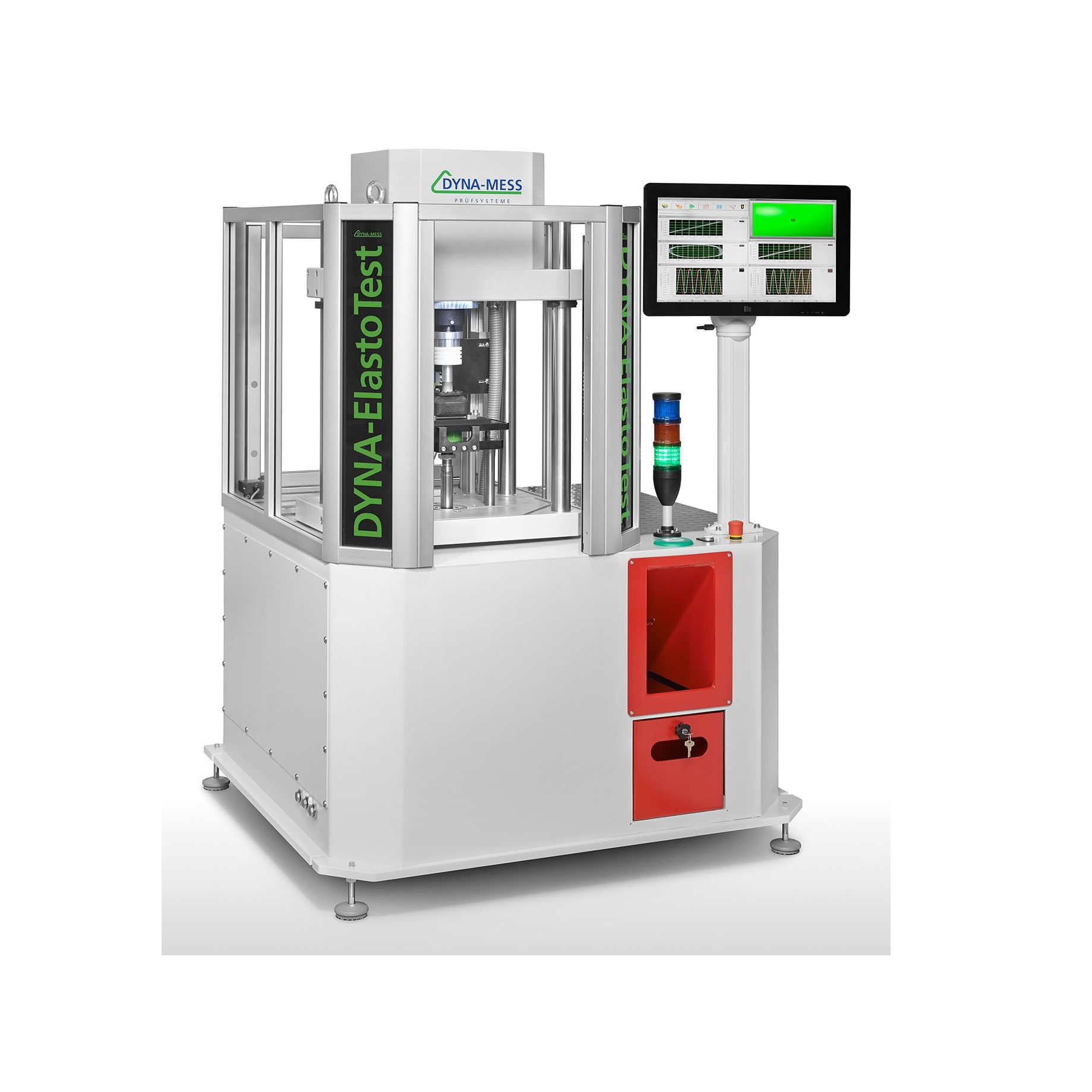
Reliable statements arise when the test reproduces reality. Dynamic testing reflects what a product experiences in service: oscillating, repeated, often multi-axis loading over the entire life cycle. Proven methods are fatigue-strength testing, service-load replication and multi-axis testing, with realistic load spectra instead of a single load.
How DYNA-MESS makes tests realistic
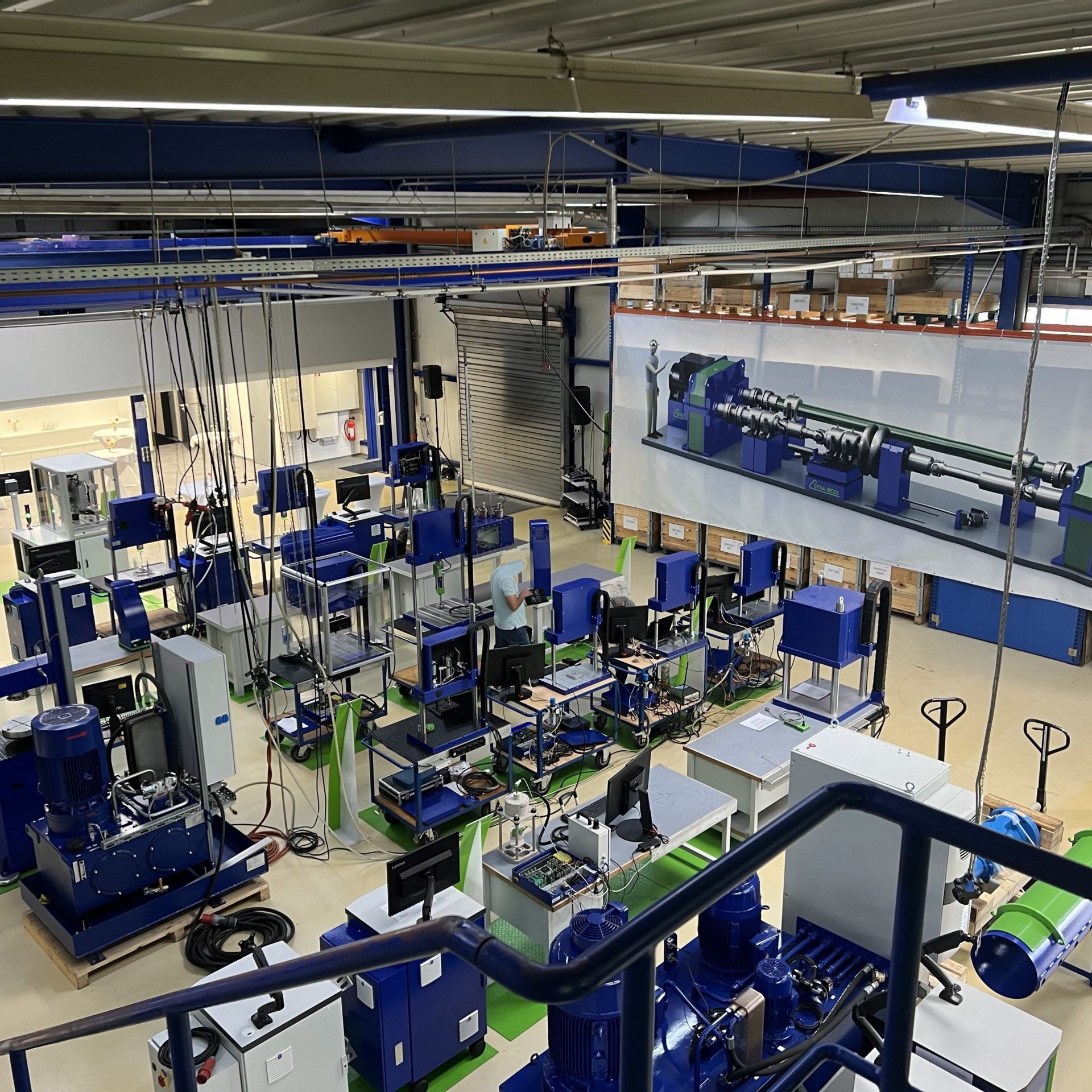
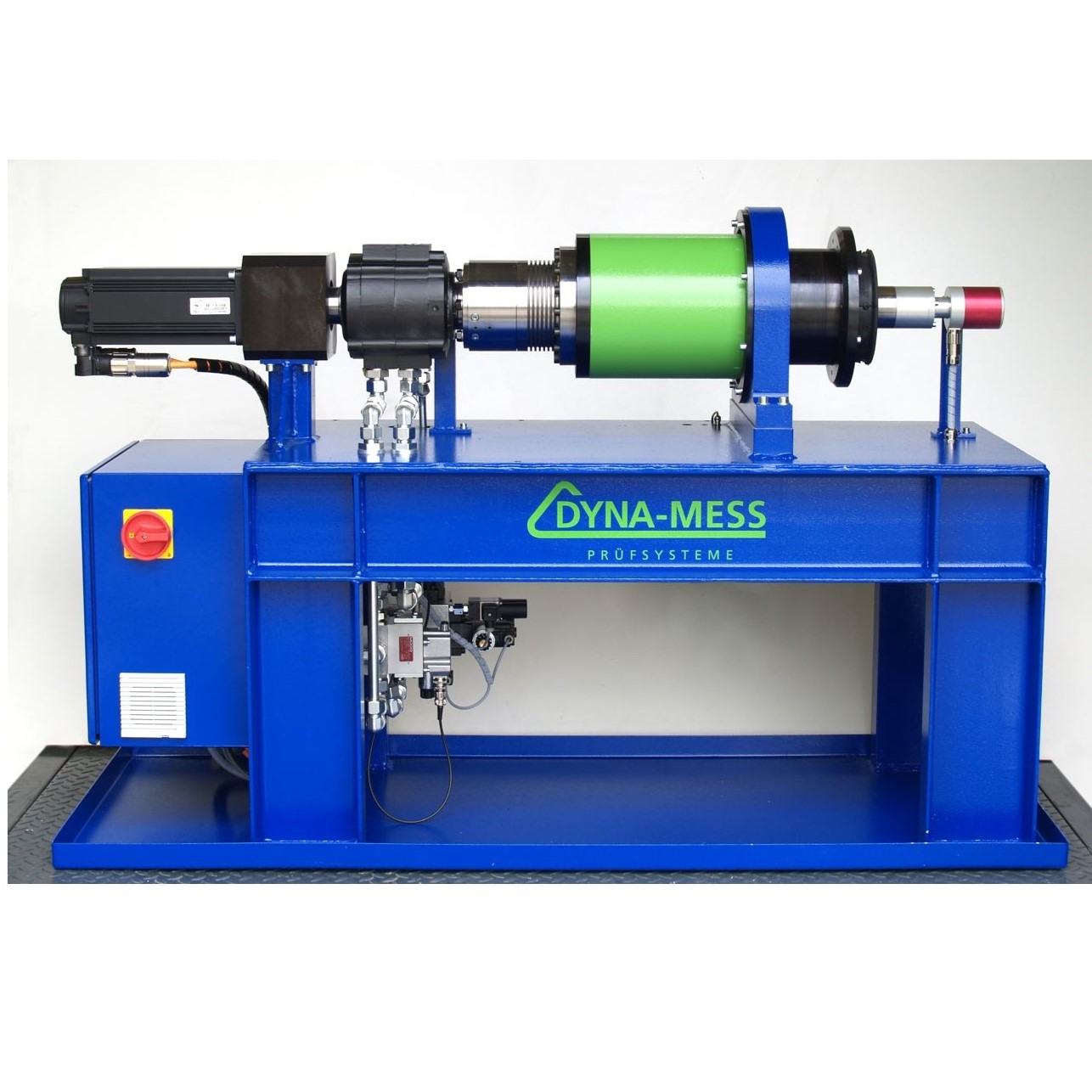
The key lies at the interface between component and testing machine. Following the component-first approach, we start with your specimen and its load spectrum and build the test around it, since 1985, developed and built in Aachen.
The next step
Have you had field failures or do you want to rule them out? Tell us about your component and operating conditions. We clarify which test reflects the real loading.
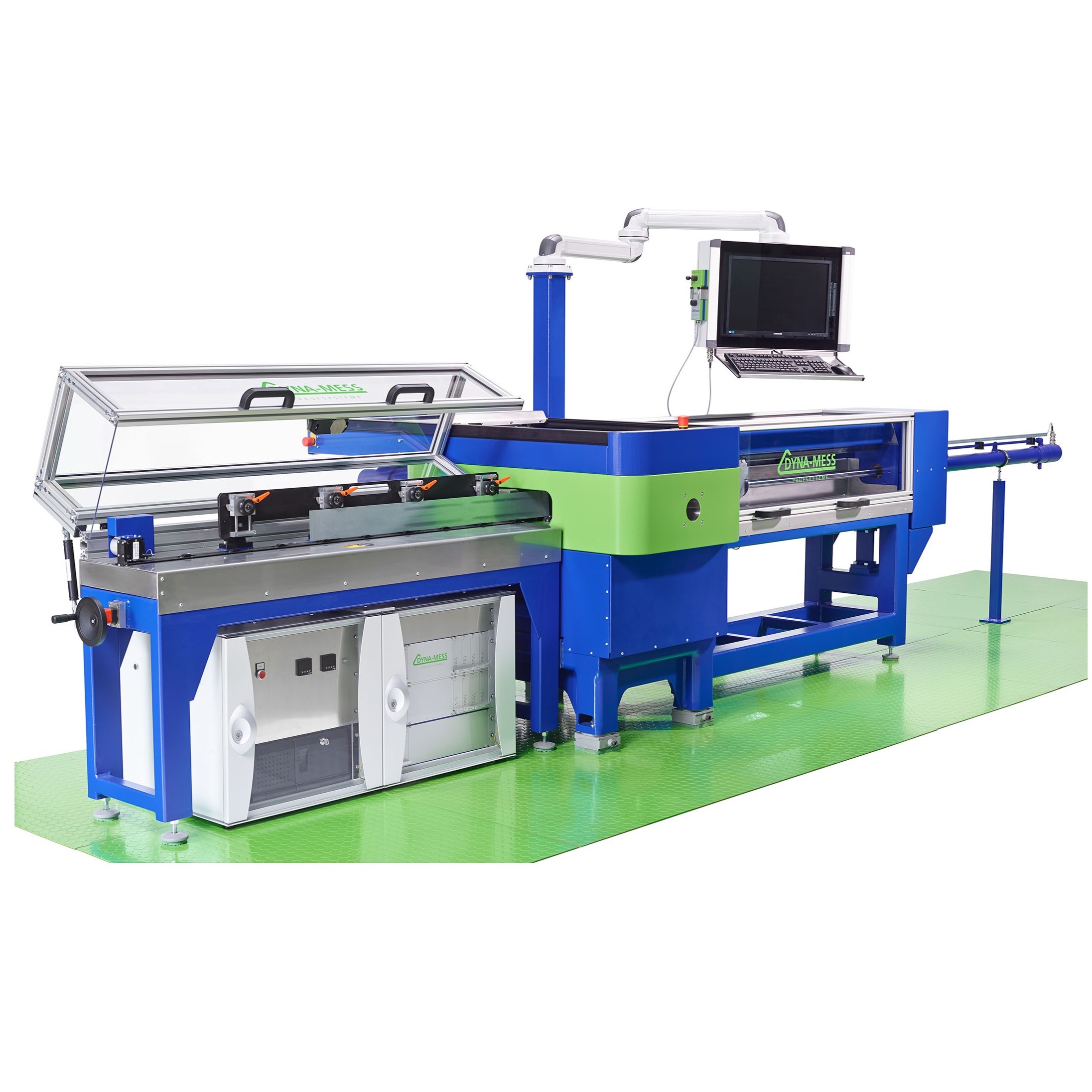
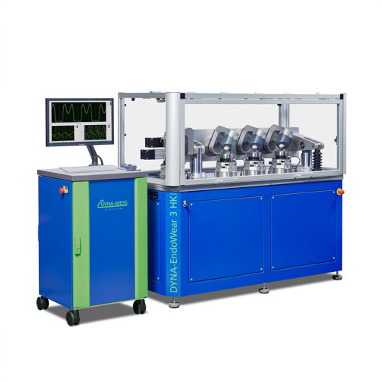
Related product: Universal testing machines by DYNA-MESS
Frequently asked questions: component failure and dynamic testing
Why does a component pass the lab test but fail in the field?
Usually because of fatigue: the component withstands a single peak load but fails after millions of load cycles or under real, multi-axis loading that a static lab test does not reflect.
How does dynamic testing differ from static testing?
A static test loads once up to a limit. In the field, components mostly fail from fatigue over millions of load cycles, and only dynamic testing makes that visible.
What does the rule of ten for failure costs say?
A defect costs one unit in development, ten times as much in production and a hundred times as much once it reaches the customer in the field. Early, realistic testing significantly reduces this risk.
Can DYNA-MESS reproduce real load spectra?
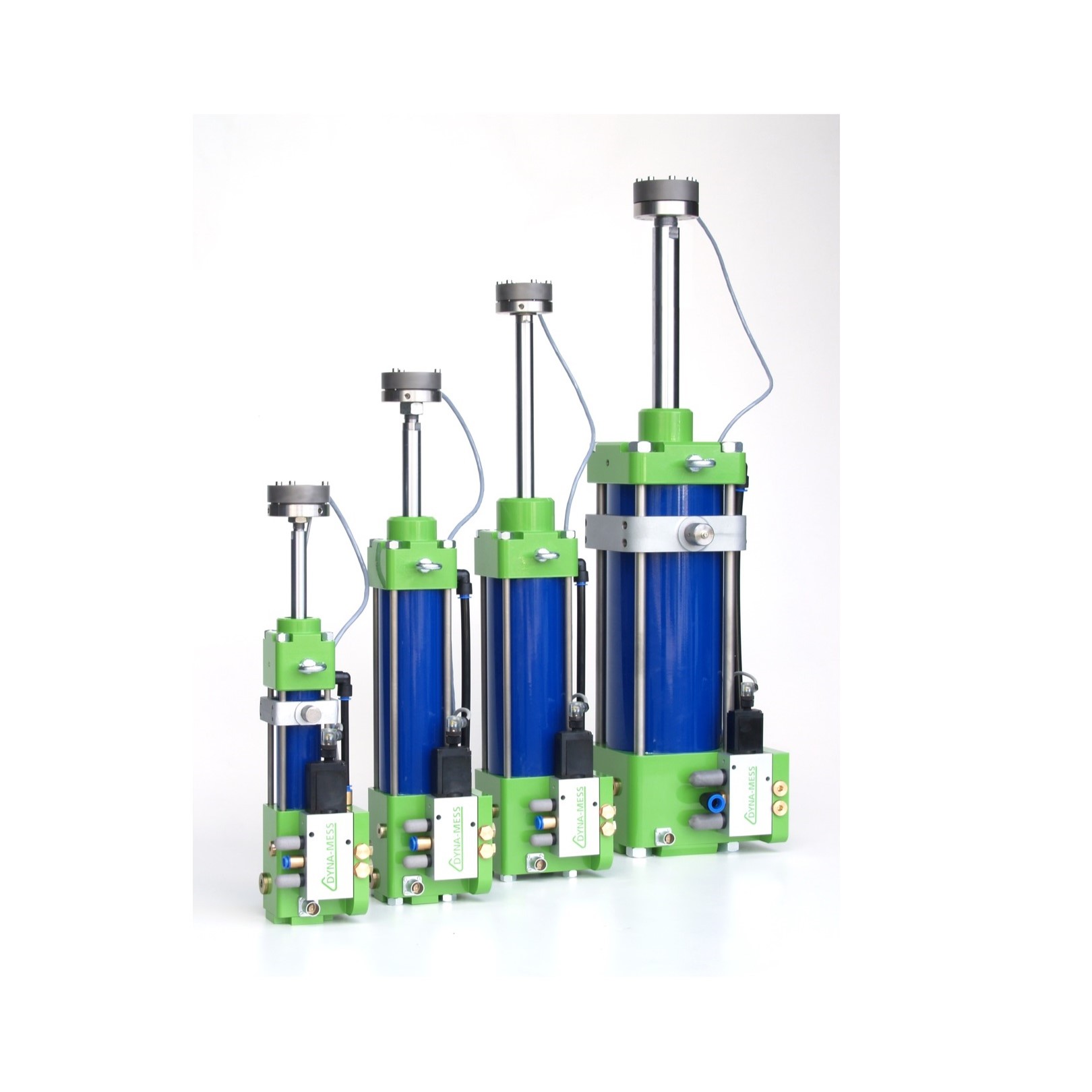
Yes. DYNA-MESS develops test systems that reproduce real load spectra and, where needed, environmental conditions, up to end-of-line testing in series production.