




Dynamic testing – test strategy, drive technologies and cost-effectiveness
Why reliable test results come from collaboration between the user and the machine manufacturer – for development, laboratory, quality management and management.
Most components fail in the field not because of a single overload, but because of fatigue over millions of load cycles. A static test does not capture this. Dynamic testing reflects what a product experiences in real use – oscillating, repeated, often multi-axial loading over its entire service life.
The economically decisive factor is the rule of ten for defect costs: A defect costs one unit in development, ten times as much in production, and a hundred times as much at the customer in the field. So the right question is not „What does the test cost?“, but rather „What does the defect we failed to find cost?“
Three questions decide your test strategy
- Am I testing the right load? Dynamics reflect real field use, not just a static overload.
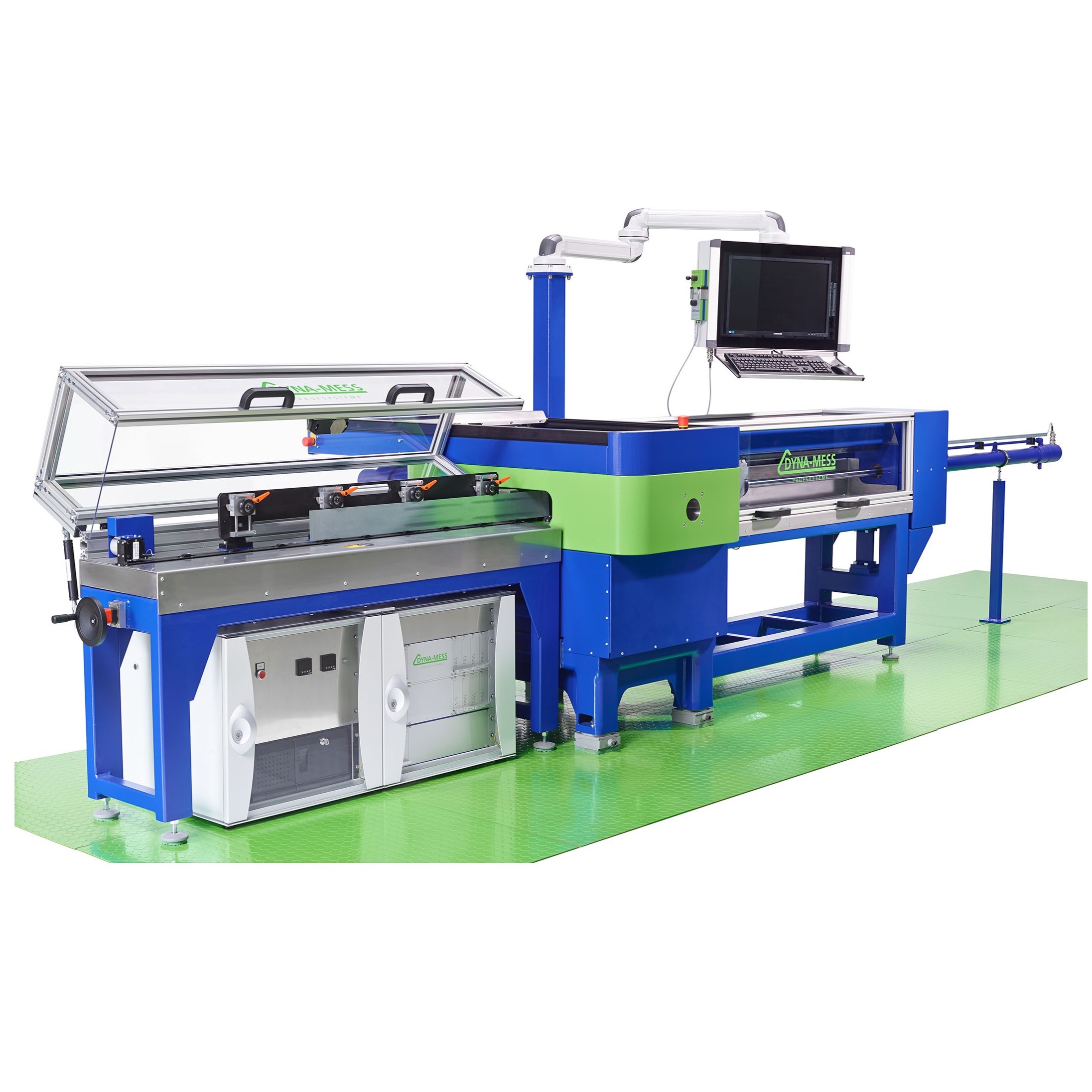
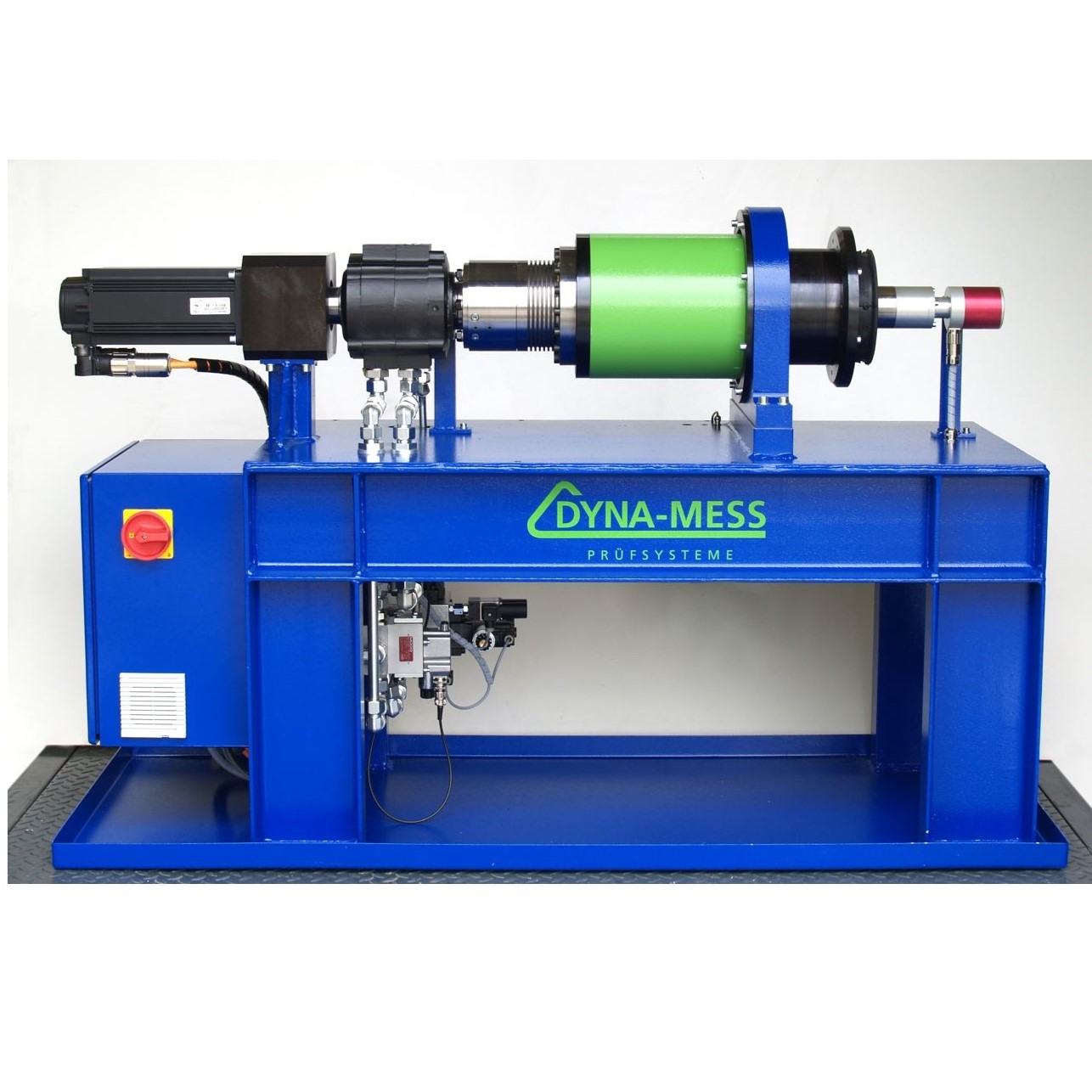
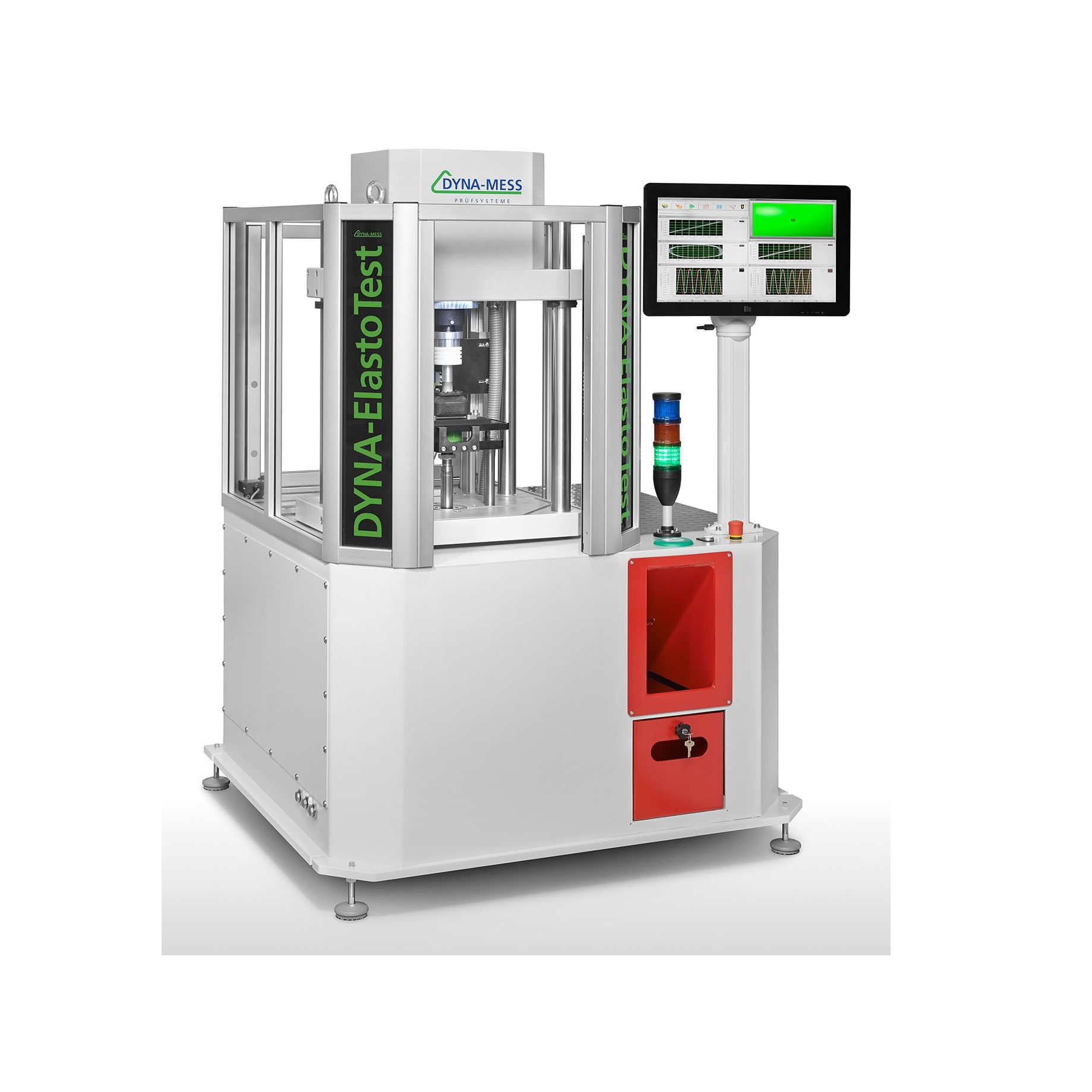
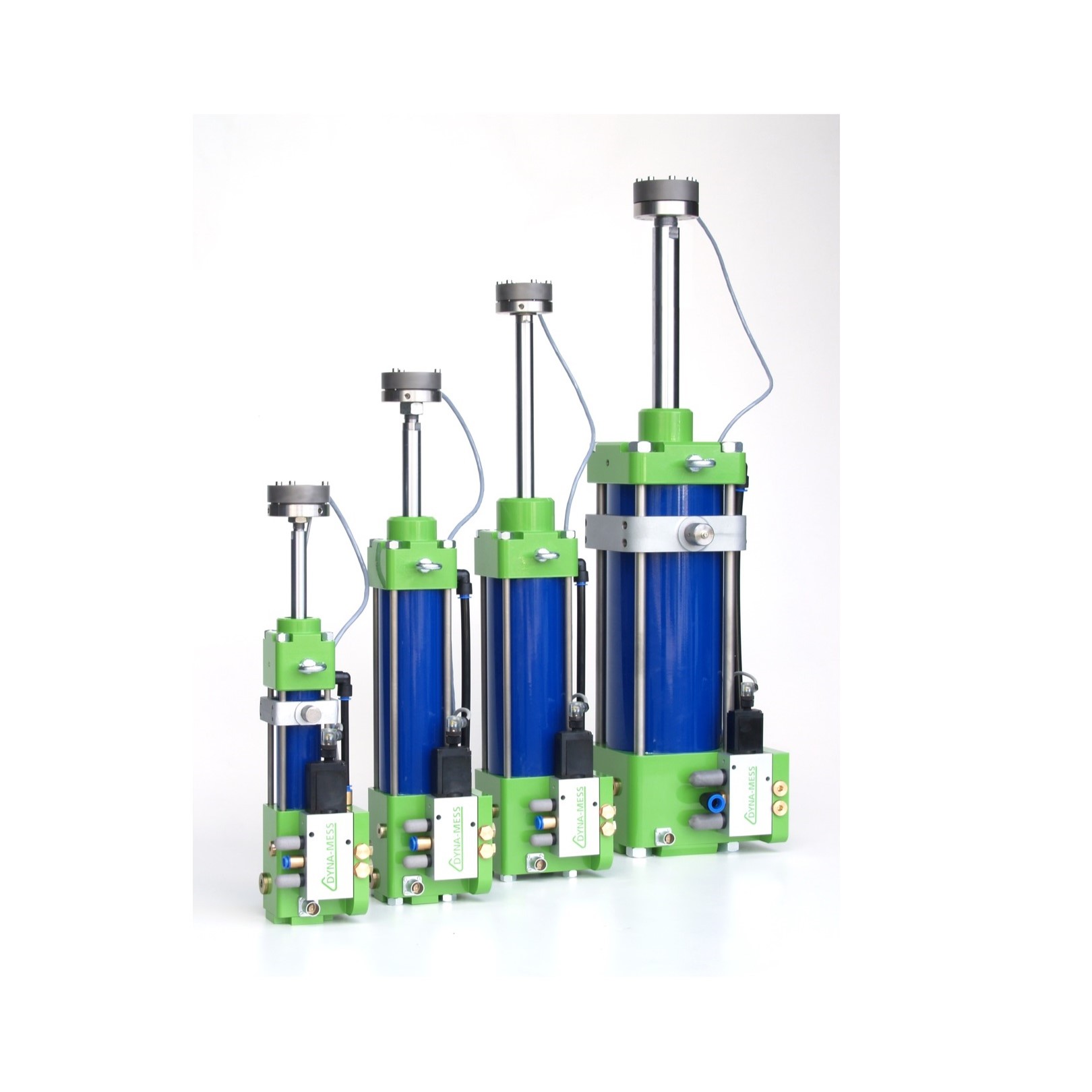
- Which technology fits the task? Pneumatic, electric or hydraulic – the drive must match the component and the load spectrum.
- Does in-house test capacity pay off? It lowers external testing and defect costs, shortens time-to-market and safeguards your duty of proof.
The key lies at the interface between component and testing machine – and thus between component manufacturer and testing-machine builder: one side knows its product, the other the testing machine.
The complete whitepaper at a glance
The detailed guide answers these three questions in a practical way and covers:
- Why dynamic testing matters economically (defect costs, liability)
- How components fail under dynamic load – the decisive influencing factors
- Methods: fatigue strength, service-load reproduction, multi-axial testing
- Drive technologies in direct comparison: pneumatic, electric, hydraulic (with selection matrix)
- Cost-effectiveness: make-or-buy, defect costs, amortisation
- Selection criteria for a future-proof test system
- The “component-first” approach and the DYNA-MESS process Advise – Adapt – Assist
Whitepaper “Dynamic Testing” – free of charge
Get the complete guide including the drive matrix and selection criteria free of charge after a short registration.
Frequently asked questions about dynamic testing
- What is dynamic testing?
- Dynamic testing examines components and materials under oscillating, repeated and often multi-axial loading as it occurs in real use over the entire service life. It reflects material fatigue that a static test does not capture.
- How does dynamic testing differ from static testing?
- A static test loads once up to a limit. In the field, however, components usually fail through fatigue over millions of load cycles – only dynamic testing makes this visible.
- Which drive technology is the right one – pneumatic, electric or hydraulic?
- There is no “better”, only “suitable”: pneumatic is cost-efficient for small to medium forces, electric is very precise for laboratory testing, hydraulic delivers the highest forces and dynamics for large components. The choice follows the component’s load spectrum.
- When is an in-house testing machine worthwhile compared to external testing?
- Economically, when external testing costs plus avoidable defect costs exceed your own costs; in terms of time, through shorter waiting times; in terms of quality, through full data access.
- What matters when selecting a test system?
- Not the highest peak force, but the fit to the real testing task: load spectrum, control quality and reproducibility, measurement-data quality, modularity and service across the lifecycle.
© 2026 DYNA-MESS Prüfsysteme GmbH, Leimberg 19, 52222 Stolberg/Aachen.