




Which drive fits my test task?
Servo-hydraulic, servo-electric or servo-pneumatic: there is no single best option, only the right fit. The choice follows the load spectrum of the component.
The drive determines what your testing machine can do: force, dynamics, precision and cost. The choice between servo-hydraulic, servo-electric and servo-pneumatic is therefore one of the first decisions. Our whitepaper principle: there is no single best option, only the right fit. Pneumatics in particular is often wrongly overlooked and should always be considered.
Servo-pneumatic: efficient, low-maintenance, lower CapEx
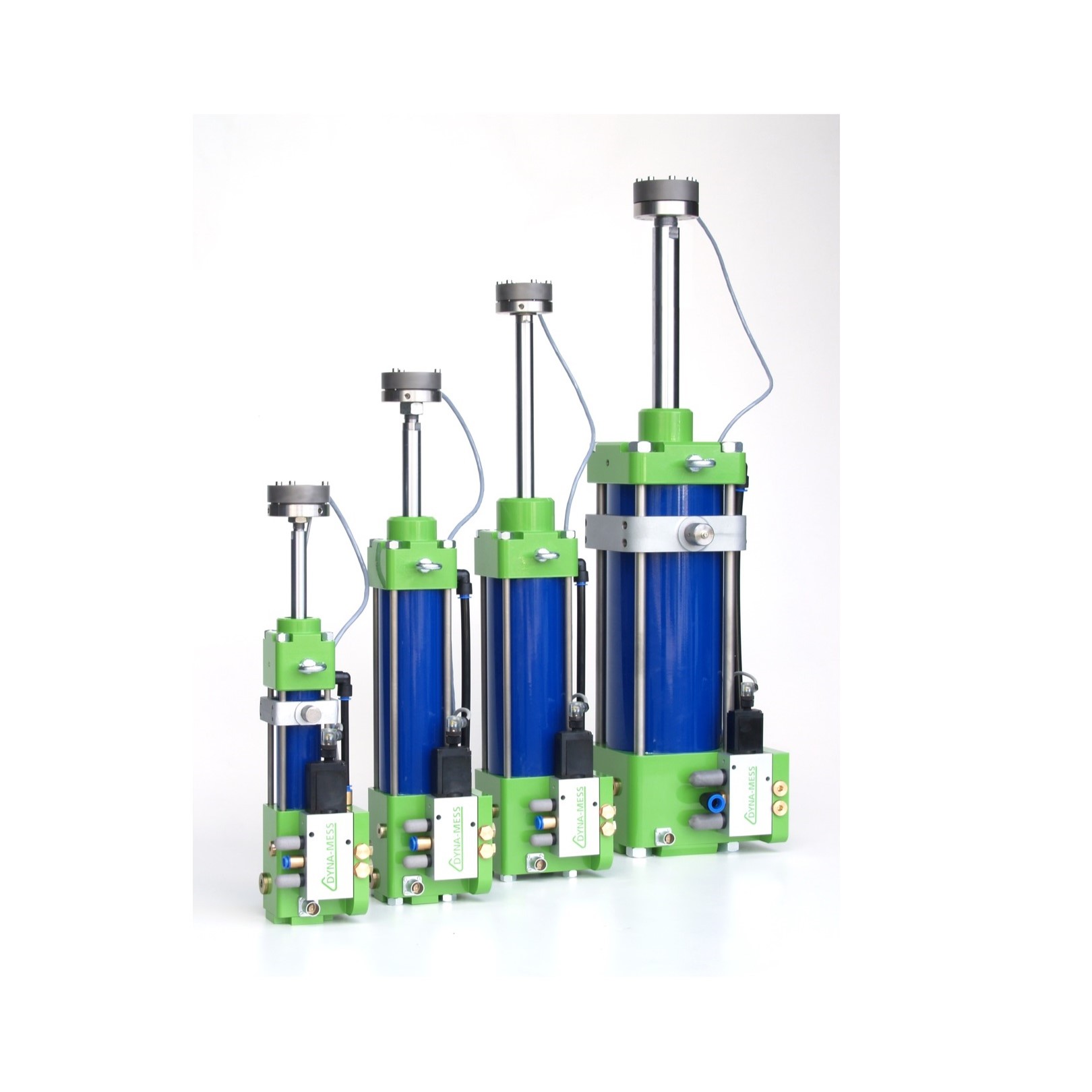
For small to medium forces, servo-pneumatics is often the most economical solution and highly capable at the same time: energy-efficient, low-maintenance and with significantly lower capital expenditure (CapEx) than hydraulics. Where compressed air is available anyway, it should always be considered as a serious, equivalent option, not just as a fallback.
Servo-electric: precise, quiet, low-maintenance
Servo-electric drives are highly precise and particularly suited to laboratory testing, static and moderately dynamic tasks. They offer cleanliness, low noise and low operating costs.
Servo-hydraulic: highest forces and dynamics
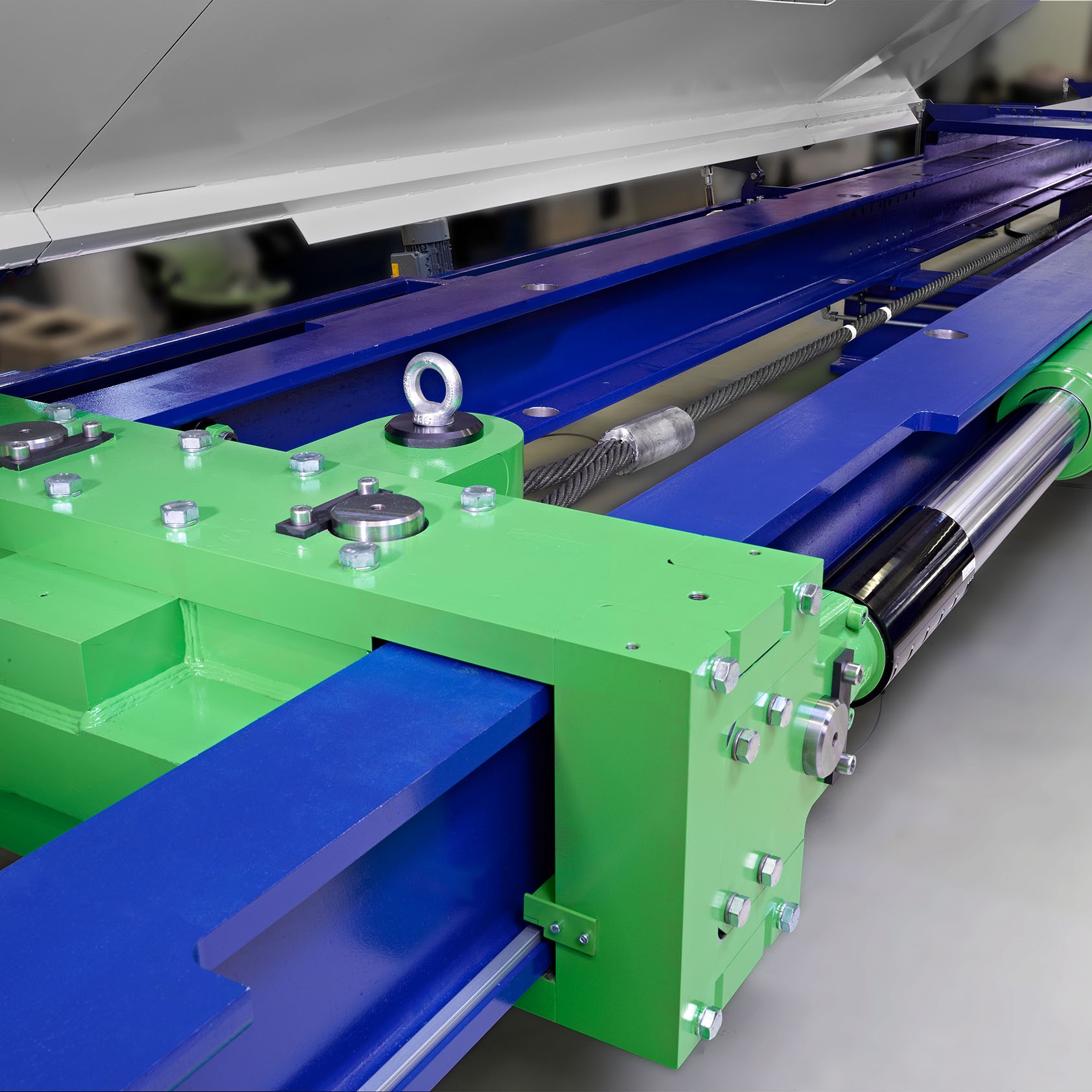
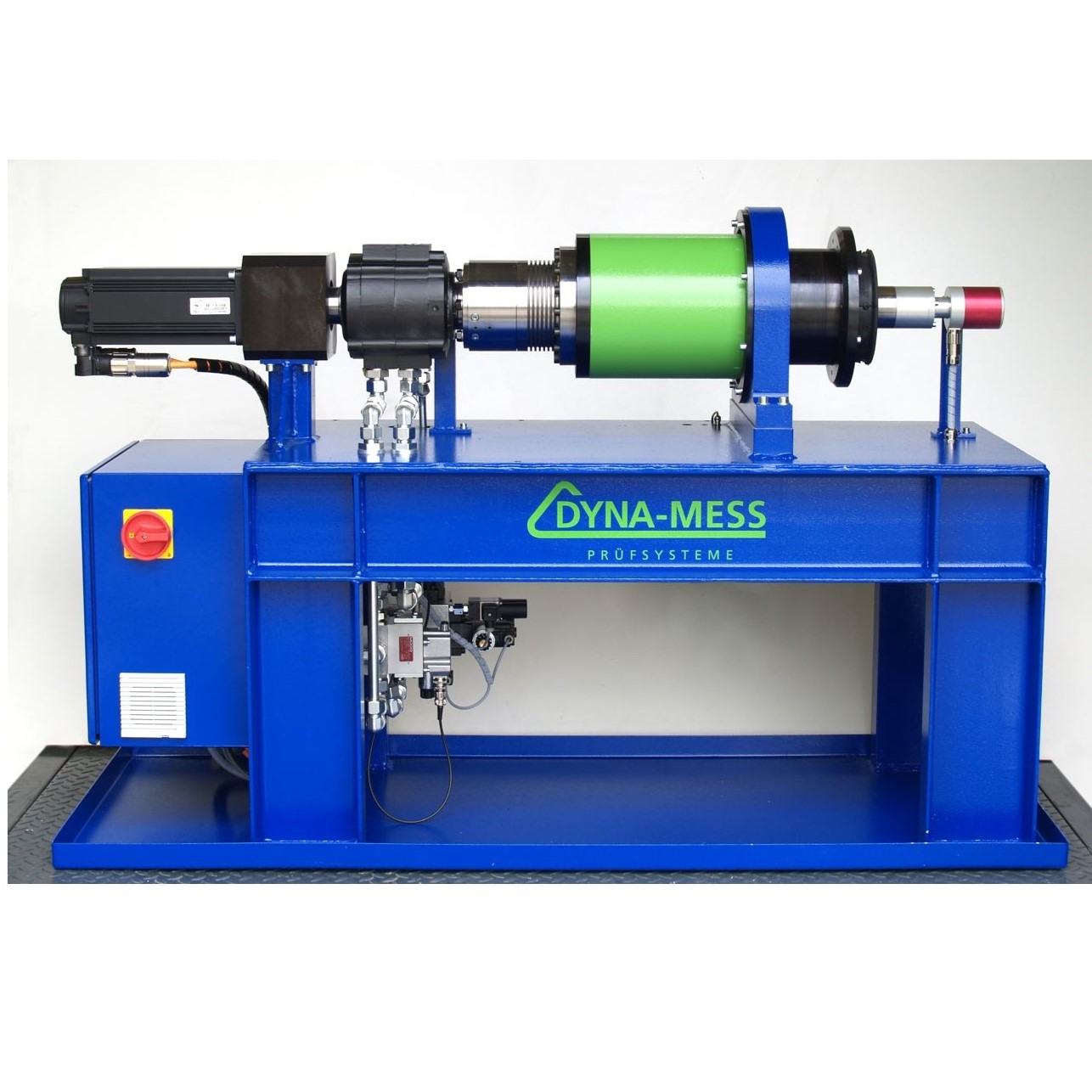
Servo-hydraulic drives deliver the highest forces and dynamics and are the first choice for large components and demanding load spectra. In return they require a hydraulic power unit, more infrastructure and cause higher operating costs.
What matters when choosing
It is not the highest peak force that decides, but the fit to the real test task.
- Load spectrum: What loading does the component really experience?
- Control quality and reproducibility: Does the machine deliver constant results over millions of cycles?
- Measurement data quality: Are the data reliable enough for a release?
- Modularity and service: Does the machine grow with you and stay serviceable across its life cycle?
- Economy: CapEx, energy and maintenance over the years. This is where pneumatics plays to its strengths.
All three from one source, advice without bias
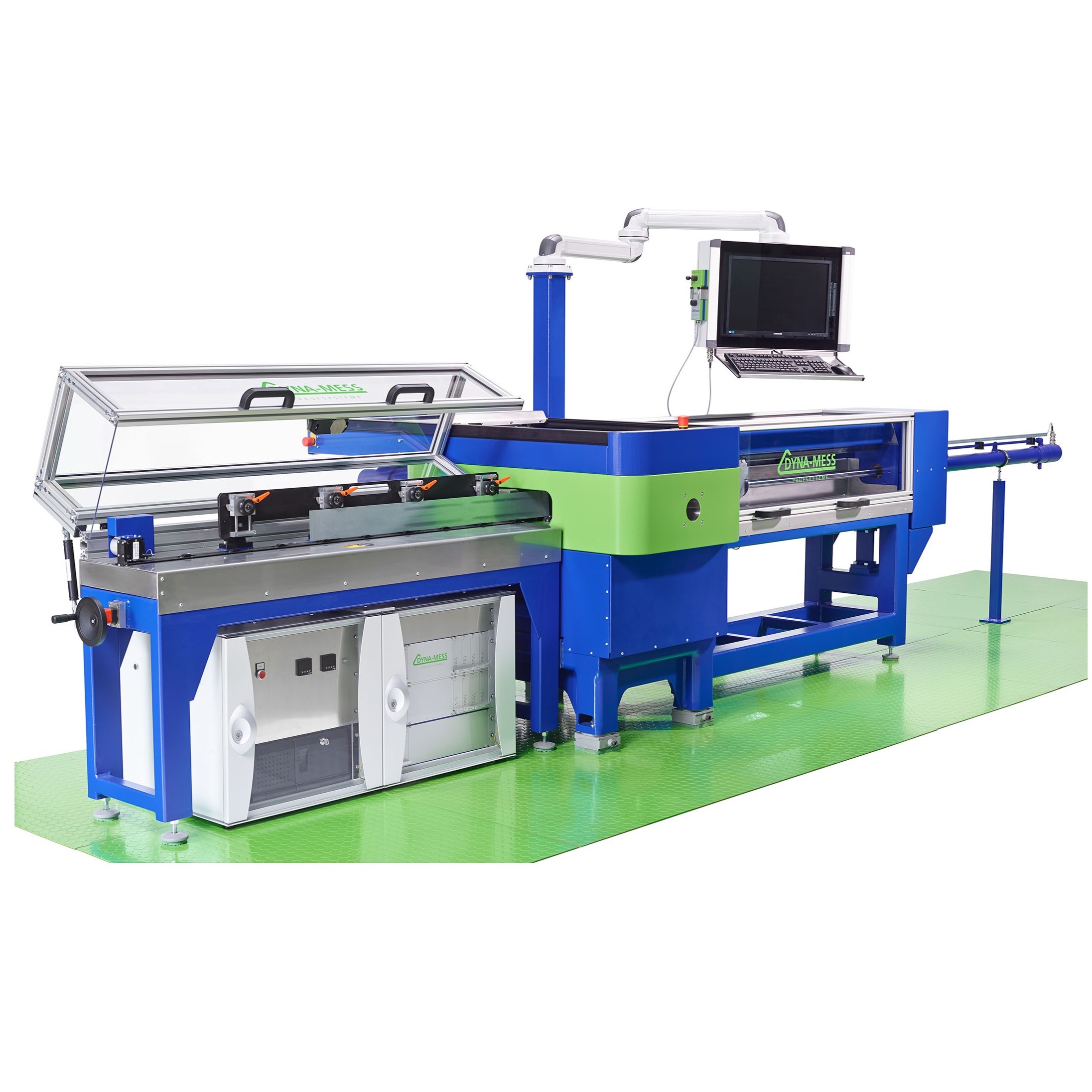
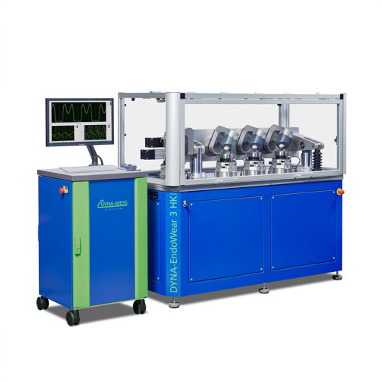
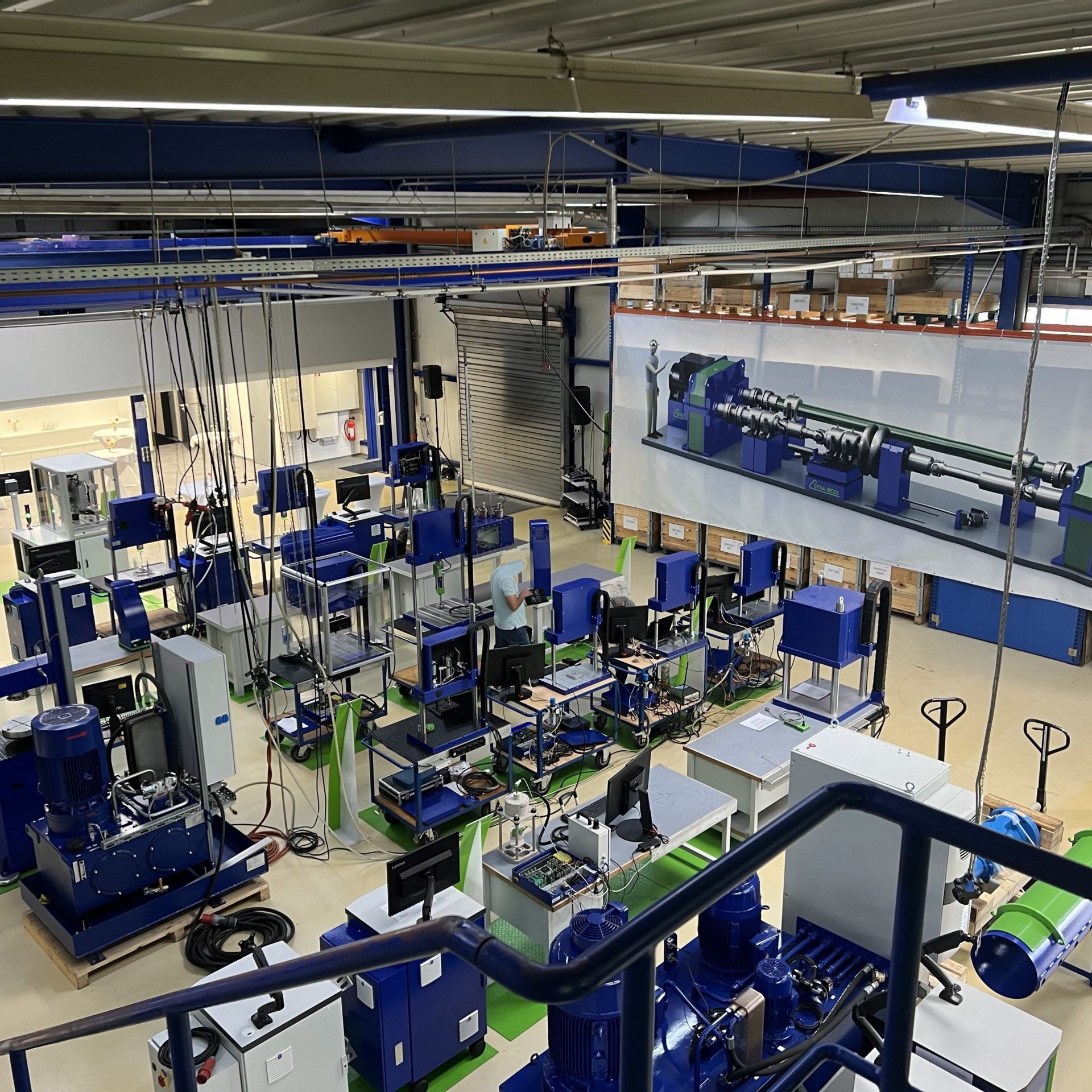
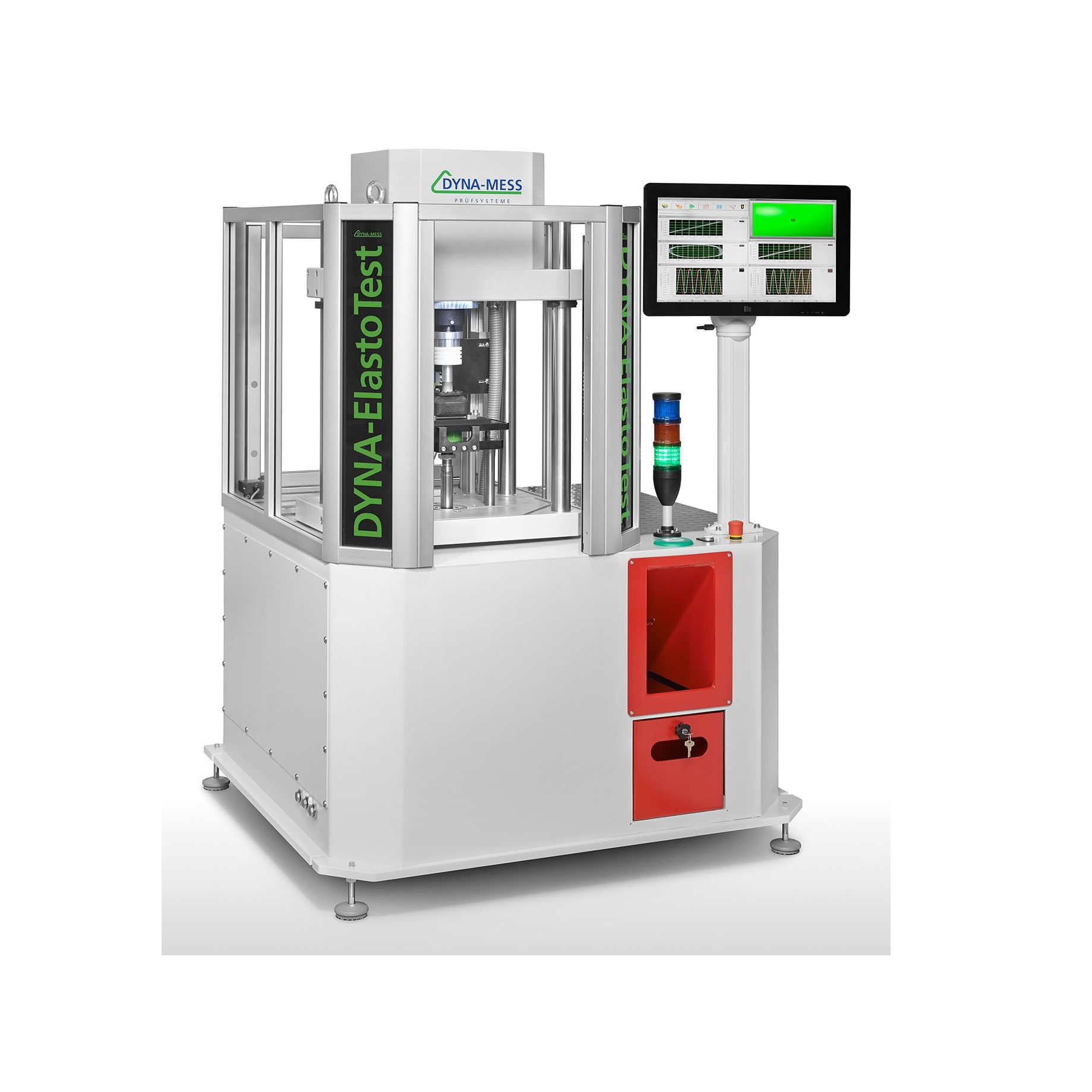
DYNA-MESS offers universal and custom testing machines with servo-hydraulic, servo-electric and servo-pneumatic drives. Because we are not tied to any technology, we recommend the drive that fits the load spectrum of your component, and deliberately consider pneumatics as a full option.
The next step
Tell us about your test task with force, frequency and specimen. In a pre-quotation conversation we recommend the right drive and explain why.
Related product: Universal testing machines by DYNA-MESS
Frequently asked questions: choosing the drive for testing machines
Which drive technology is right, pneumatic, electric or hydraulic?
There is no single best option, only the right fit. Pneumatics is cost-efficient and highly capable for small to medium forces, electric is very precise for laboratory testing, hydraulics delivers the highest forces and dynamics for large components. The choice follows the load spectrum of the component.
Why is the servo-pneumatic option worth considering?
Because for small to medium forces it is often the most economical solution: energy-efficient, low-maintenance and with significantly lower capital expenditure (CapEx) than hydraulics, while being highly capable. Where compressed air is available, it is a serious, equivalent option.
When is a servo-hydraulic drive the first choice?
For the highest forces and demanding dynamics, for example large components and endurance tests with high loads.
Does DYNA-MESS offer all drive types?
Yes. DYNA-MESS supplies universal and custom testing machines with servo-hydraulic, servo-electric and servo-pneumatic drives and advises without bias, including pneumatics as a full option.