




Universal, application-specific or custom testing machine?
How to choose the right type of testing machine for your test task: a flexible universal machine, a solution optimised for your application, or a custom machine built around a single component.
Every investment in test technology starts with the same question: which type of machine is right? There are three routes: the standard or universal testing machine, the application-specific test solution and the custom testing machine as a one-off. The wrong choice is expensive in both directions. This article helps you find the right route before you request a quotation.
Standard or universal testing machine: flexible and standards-compliant
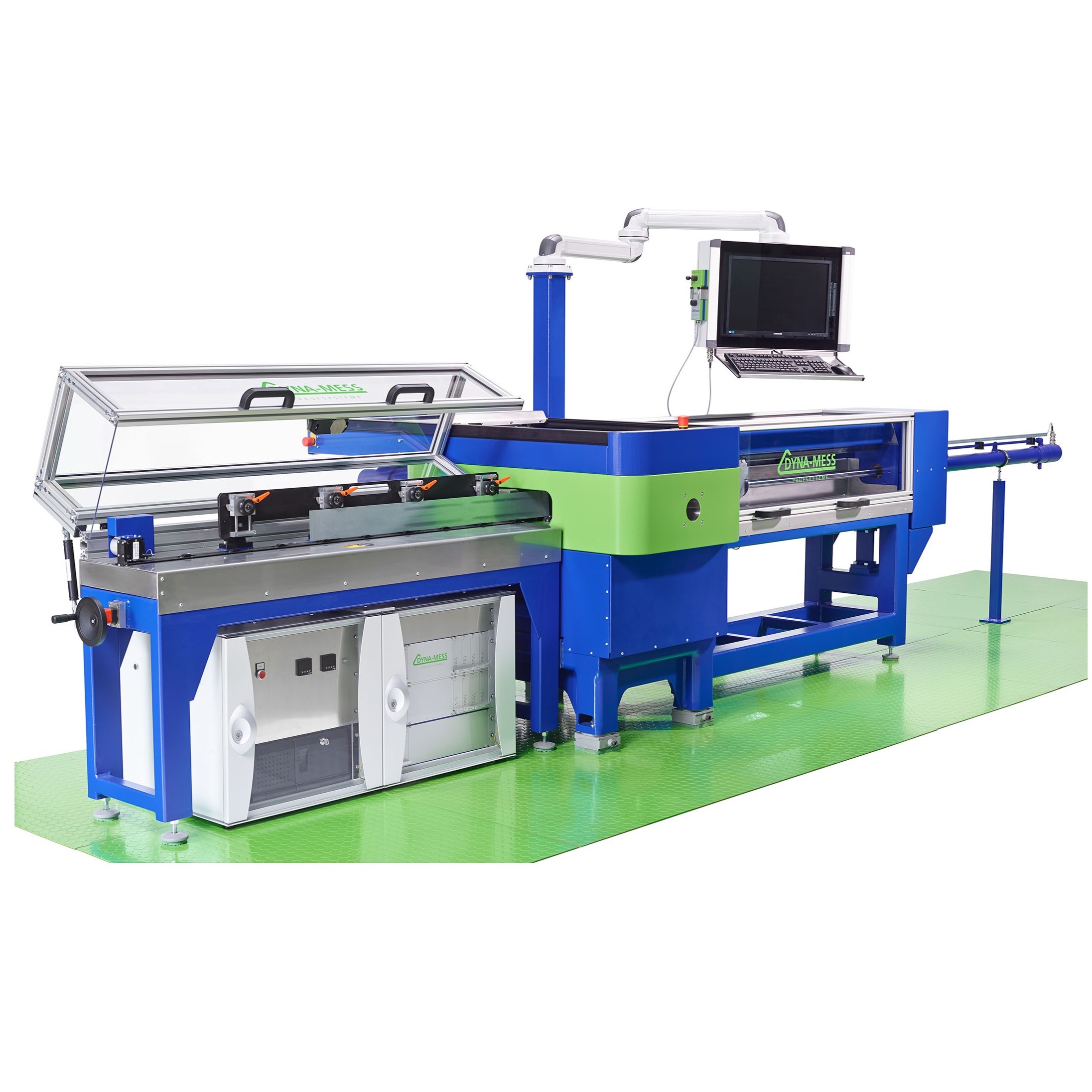
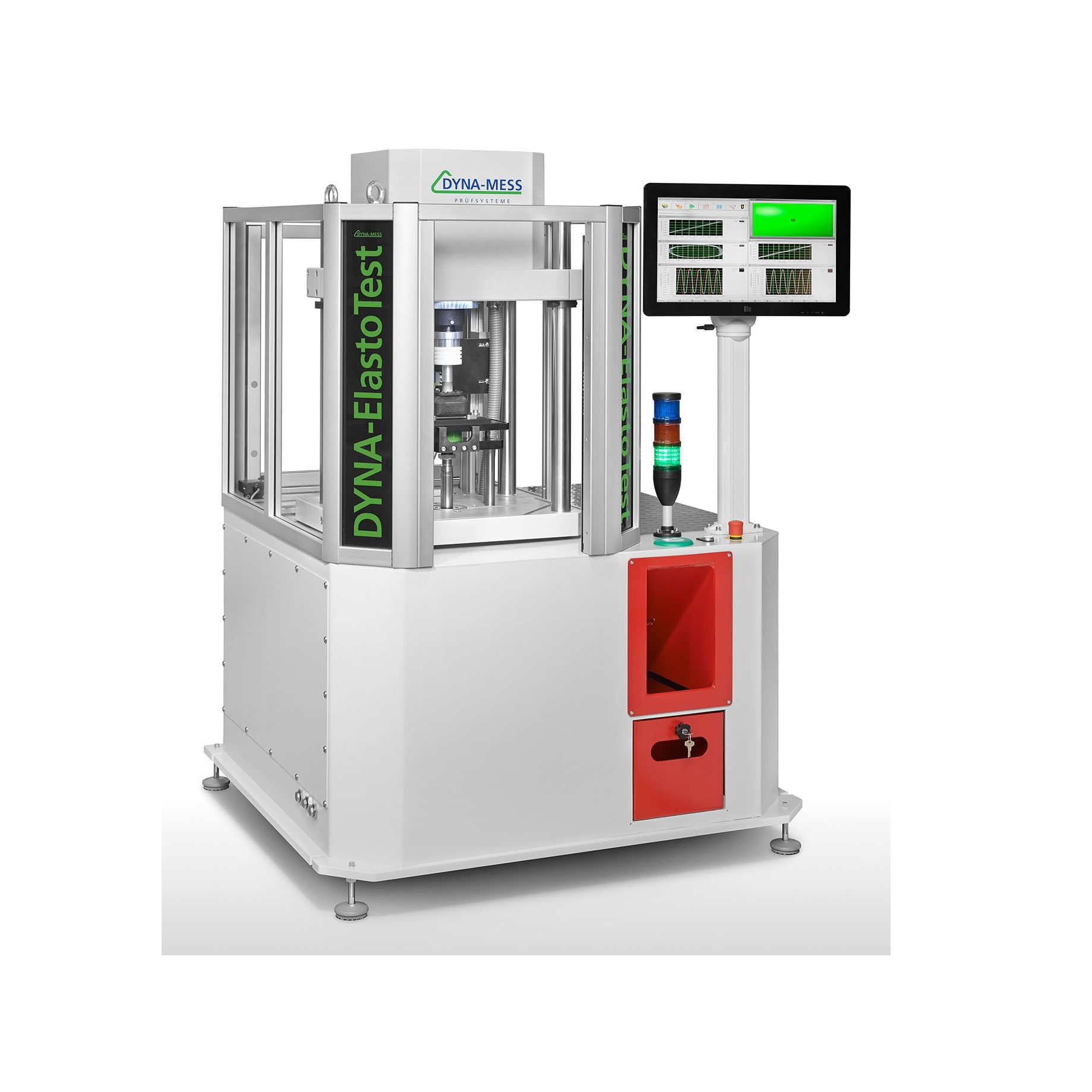
A universal testing machine is the right choice when your test task is well defined and largely standards-compliant: classic tensile, compression and bending tests on materials or simple components, moderate forces, no unusual clamping situation. With a flexible standard solution you get reliable results quickly and at an attractive price.
Application-specific test solution: optimised for one application
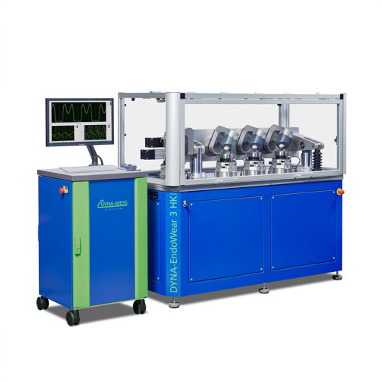
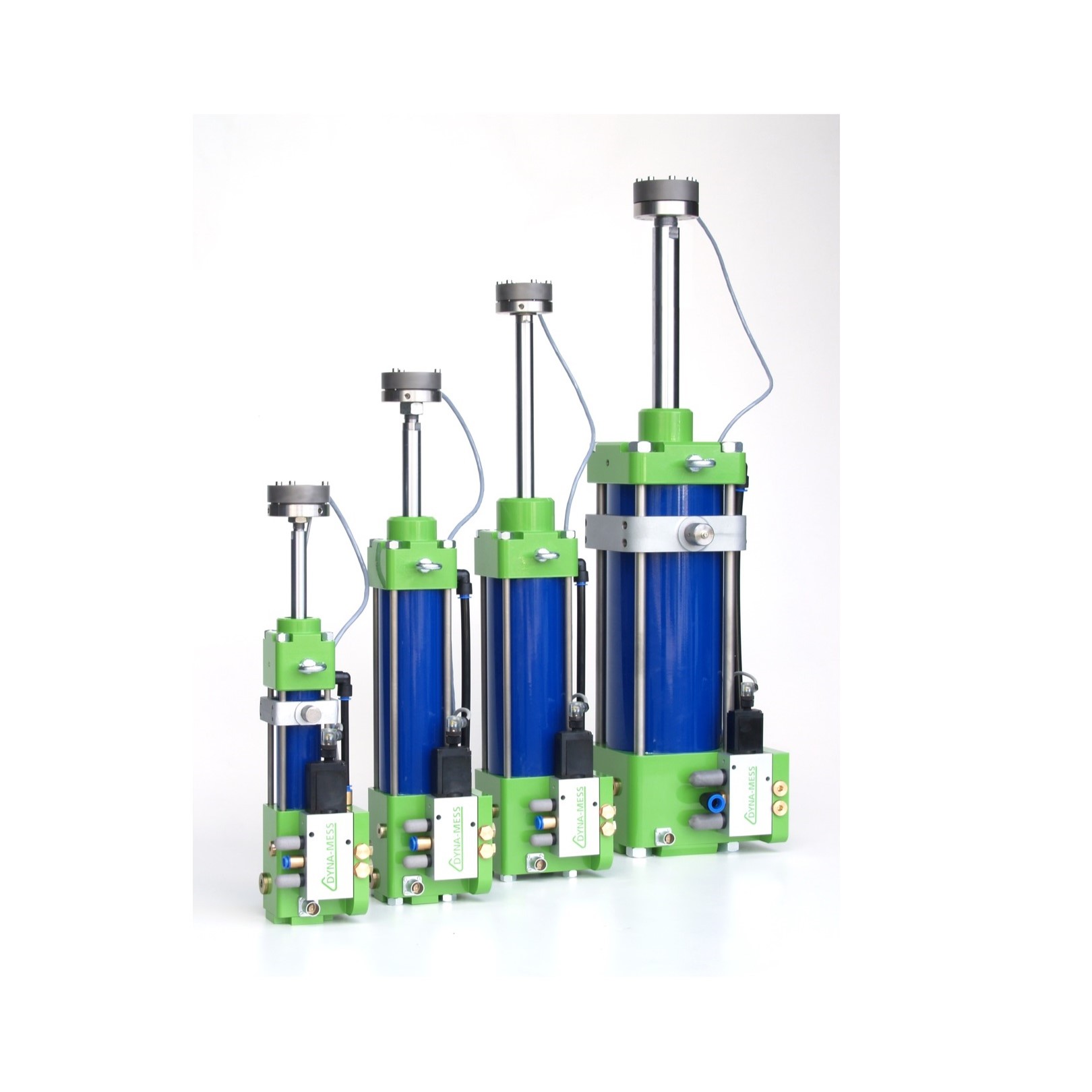
An application-specific test solution is a special machine optimised for a recurring application and usable for several customers and their similar components. It combines the precise fit of a special machine with the cost efficiency of a proven, repeatedly used solution, for example for a specific component family or a test standard of an industry.
Custom testing machine: the one-off solution for your component
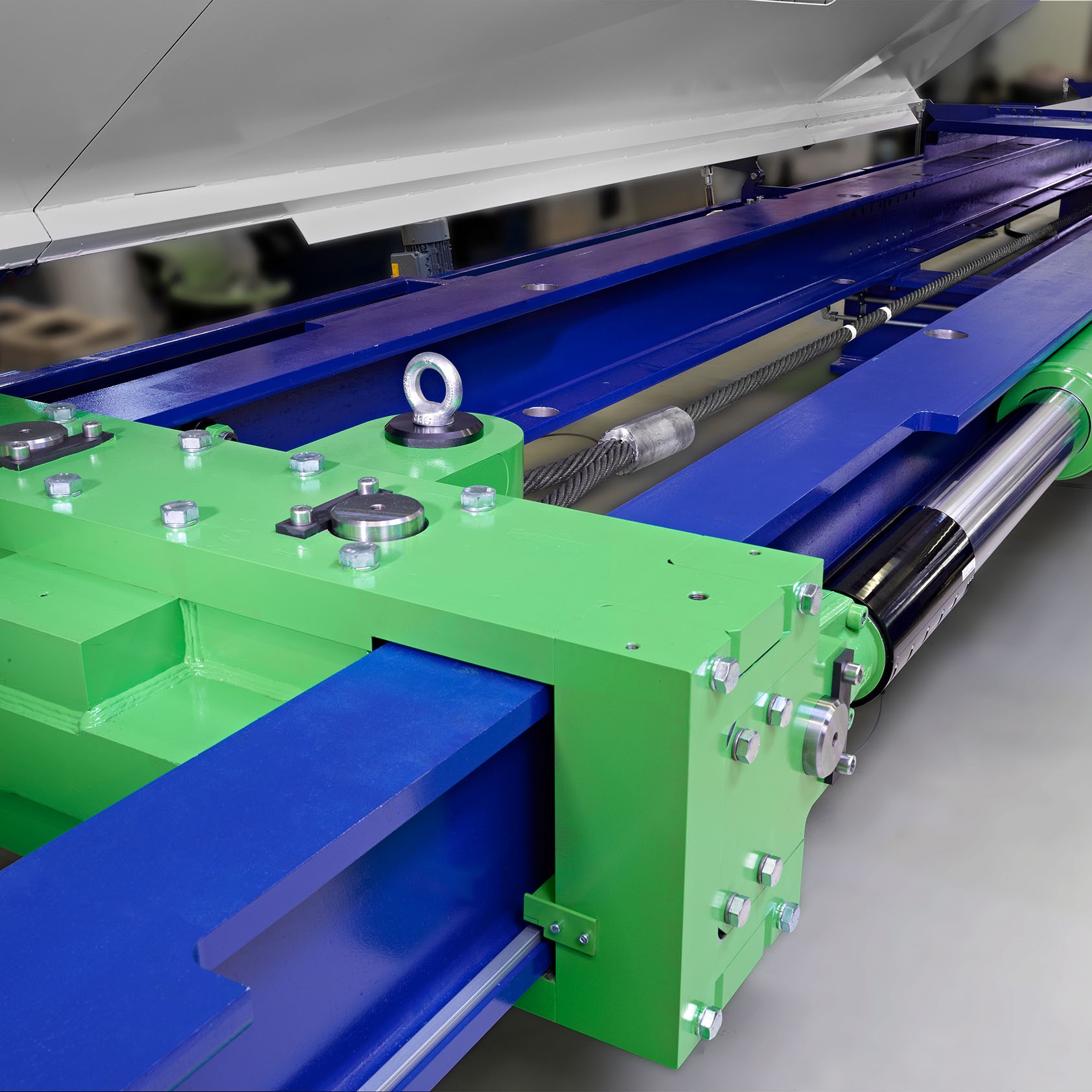
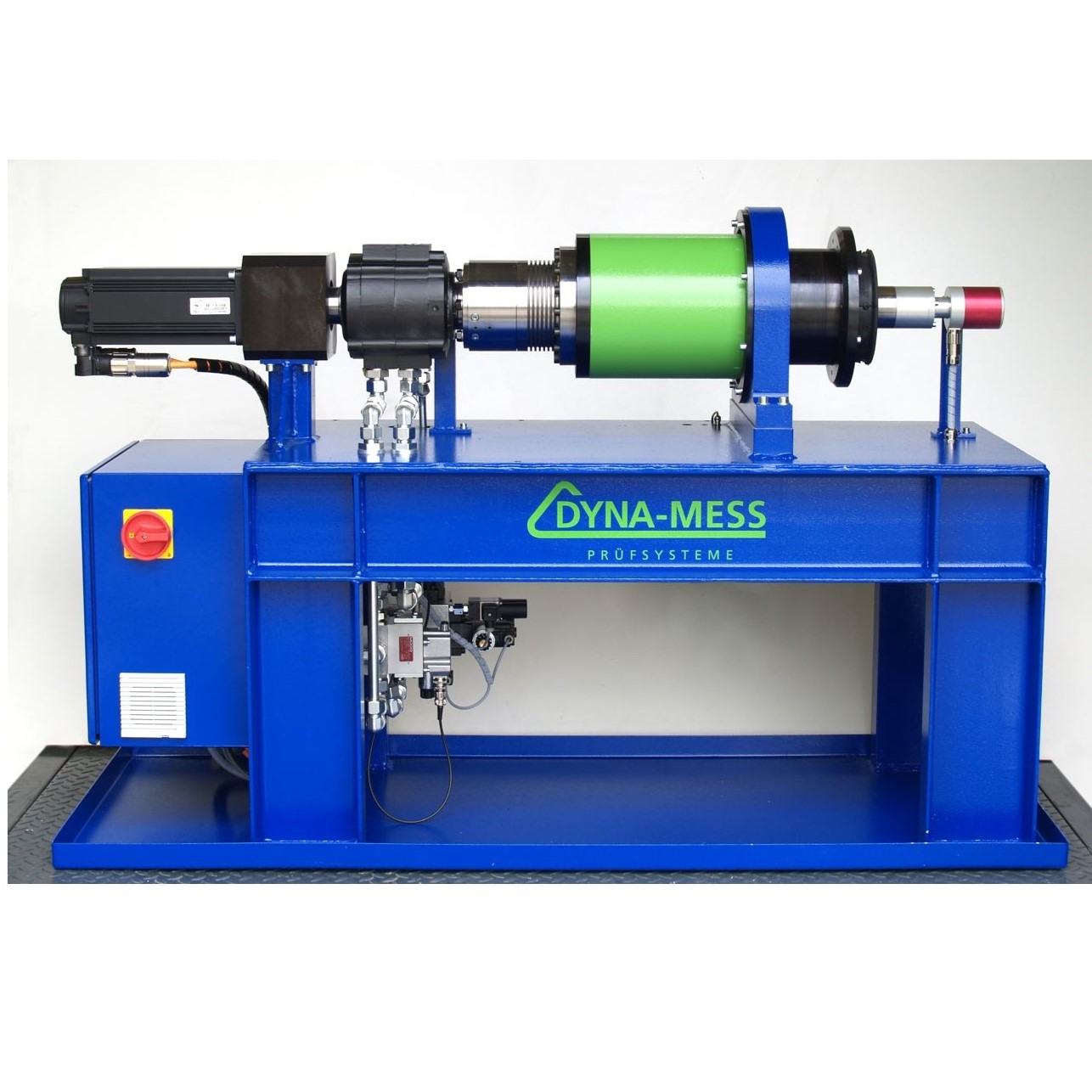
A custom testing machine is the customer-specific one-off: built from the ground up around a single component and its load spectrum, when neither a standard machine nor a suitable application-specific solution exists. It is the right route for complex load spectra, multi-axis loading, special clamping, particular environmental conditions or integration into the production line.
The four questions that decide
- Test task: Can your load spectrum be covered with standard tensile, compression or bending, or do you need a special kinematic setup?
- Standard: Is there a standard that prescribes a specific test arrangement?
- Recurrence: Is your case a one-off, or a recurring application where an application-specific solution pays off?
- Life cycle: Will your specimens change over the coming years, does the machine need to grow with them?
What the wrong choice costs
The purchase price is rarely the most expensive part of a testing machine. What comes afterwards is: rebuilds, downtime, results you cannot rely on. Most expensive is the defect that an unsuitable test fails to find. According to the rule of ten for failure costs, a defect costs ten times as much in production and a hundred times as much once it reaches the customer in the field. The right question is therefore not what the test costs, but what the undetected defect costs.
How DYNA-MESS works
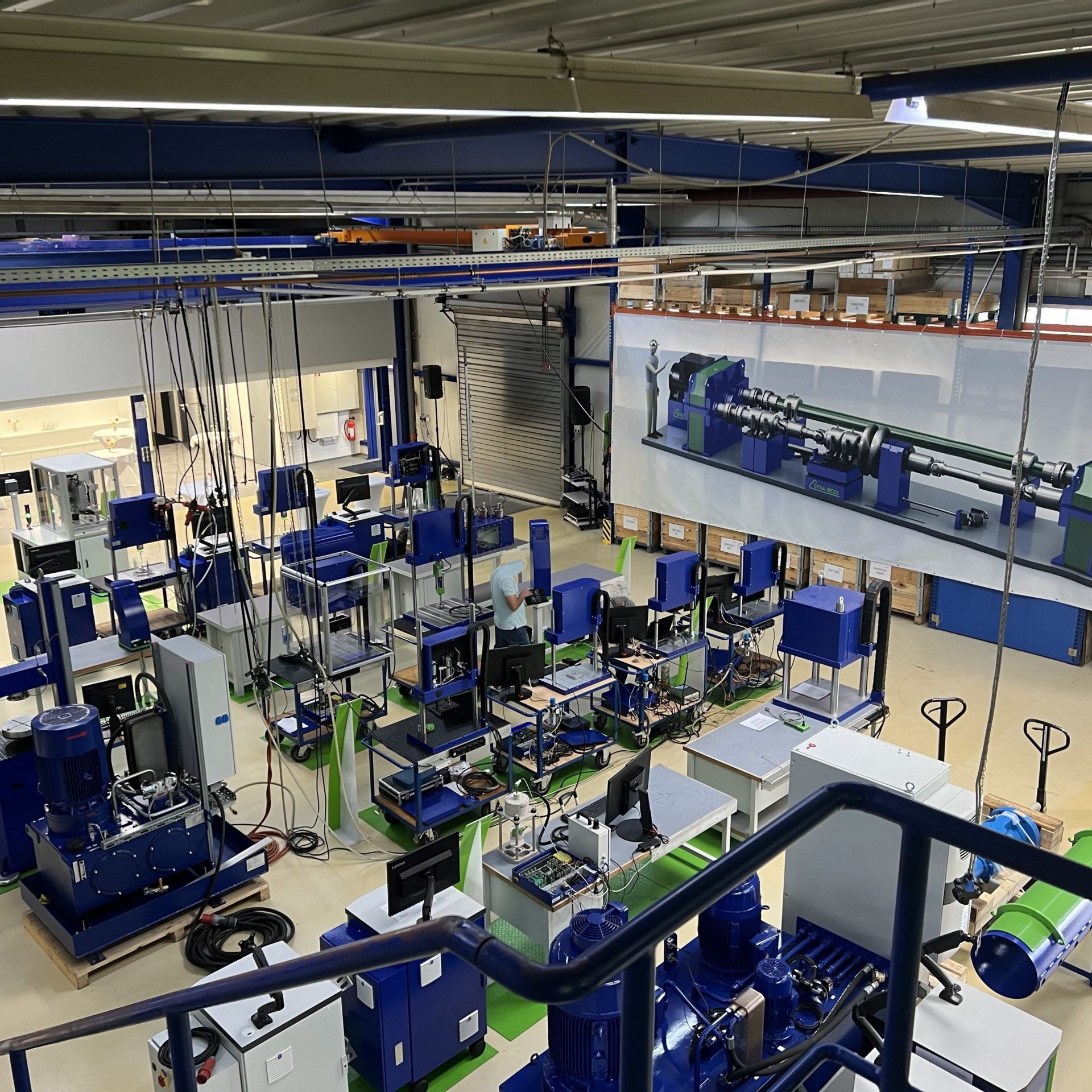
DYNA-MESS covers all three routes: universal testing machines, standardised application-specific testing machines and individual custom testing machines, developed and built in Aachen since 1985. Following the component-first approach, we start with your specimen and its load spectrum and choose the most economical route. Every machine runs on our DYNA-CLC control electronics and DYNA-TCC user software and can be modernised across its entire life cycle.
The next step
Not sure which route fits your test task? Tell us about your component and its load spectrum. In a short pre-quotation conversation we clarify whether a standard, application-specific or custom solution is the most economical choice.
Related product: Universal testing machines by DYNA-MESS
Frequently asked questions: universal, application-specific or custom testing machine
What is the difference between a universal, an application-specific and a custom testing machine?
A universal testing machine flexibly covers standards-compliant standard tests. An application-specific test solution is a special machine optimised for one application and usable for several customers and similar components. A custom testing machine is the one-off, built around a single component.
What distinguishes an application-specific test solution from a custom testing machine?
The application-specific test solution is optimised for a recurring application and can be used for several customers and their components. The custom testing machine is a one-off for a single component or a specific case.
When is a standard testing machine sufficient?
When your test task is clearly defined and standards-compliant, for example classic tensile, compression or bending tests with moderate forces and without a special clamping situation.
Is a custom testing machine always more expensive?
Not over the life cycle. What matters is the total cost including failure costs: a defect not found in the lab costs many times the test effort once it is in the field.